Explore the Top Guided Hiking Routes in National Parks
Why Guided Routes Elevate Your National Park Experience
Expert route matching and local insight
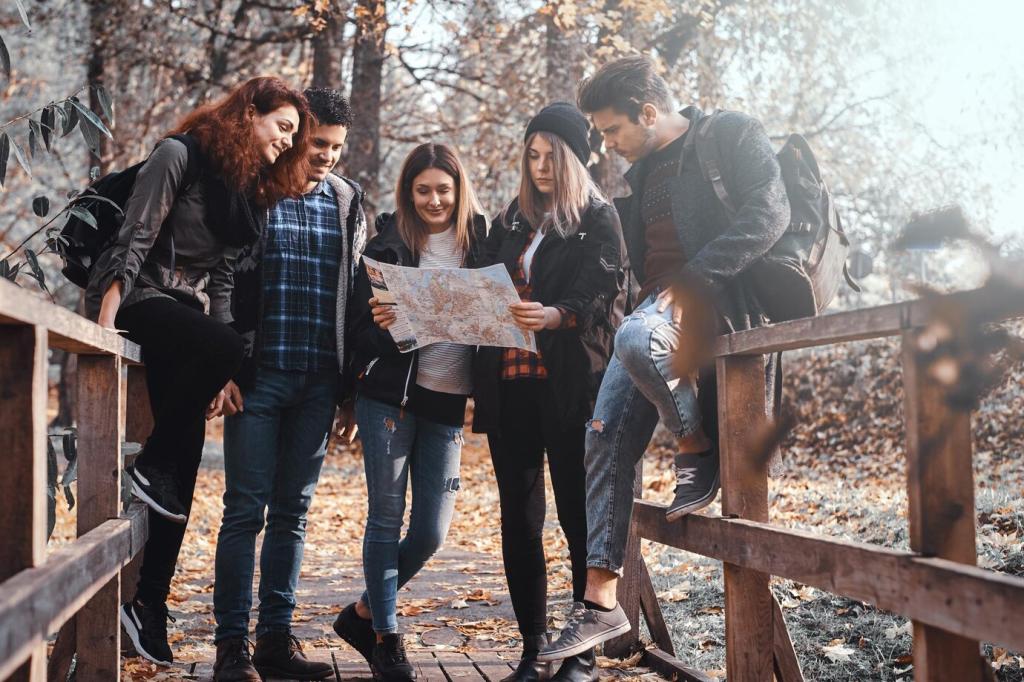
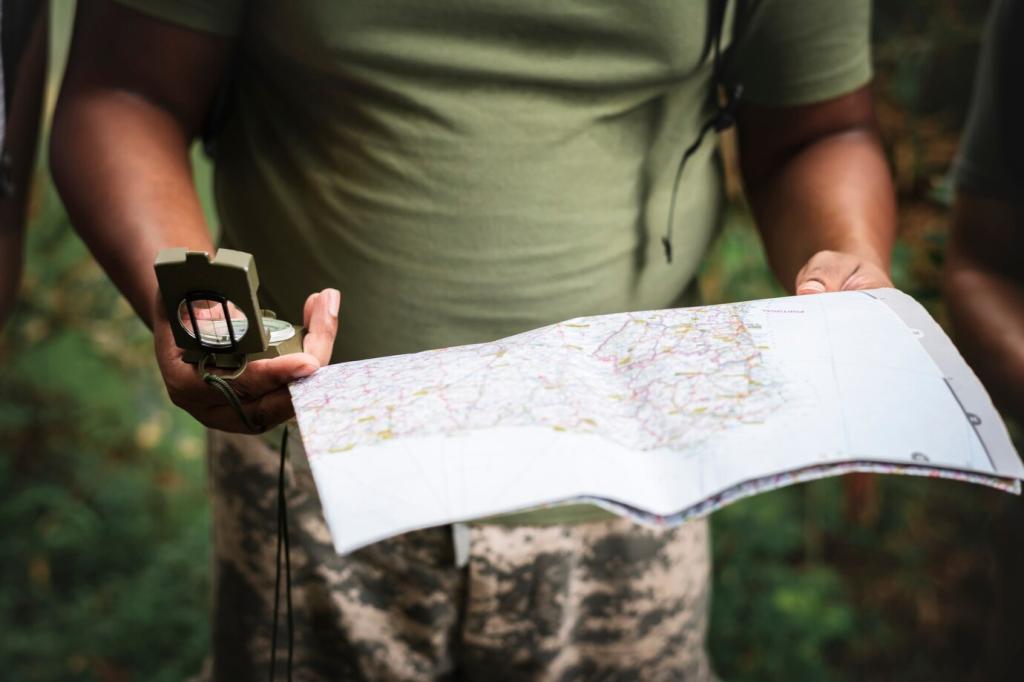
Guides tailor Top Guided Hiking Routes in National Parks to your ability, weather, and current trail conditions. They know which overlooks sing at sunrise, which switchbacks ice first, and when wildlife tends to appear.
A safety net that frees your curiosity
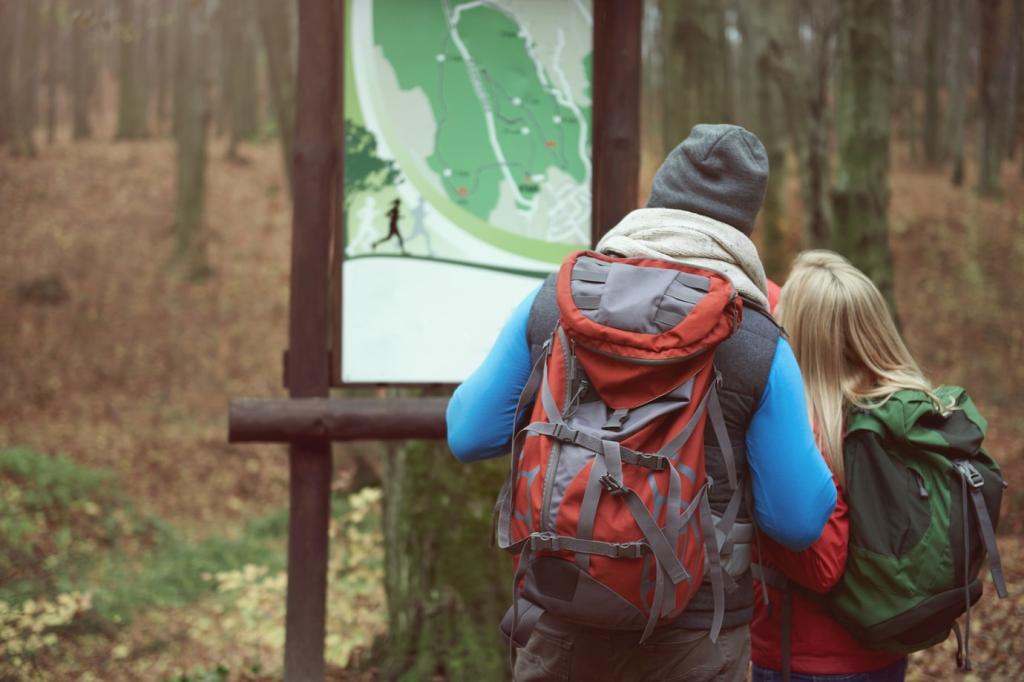
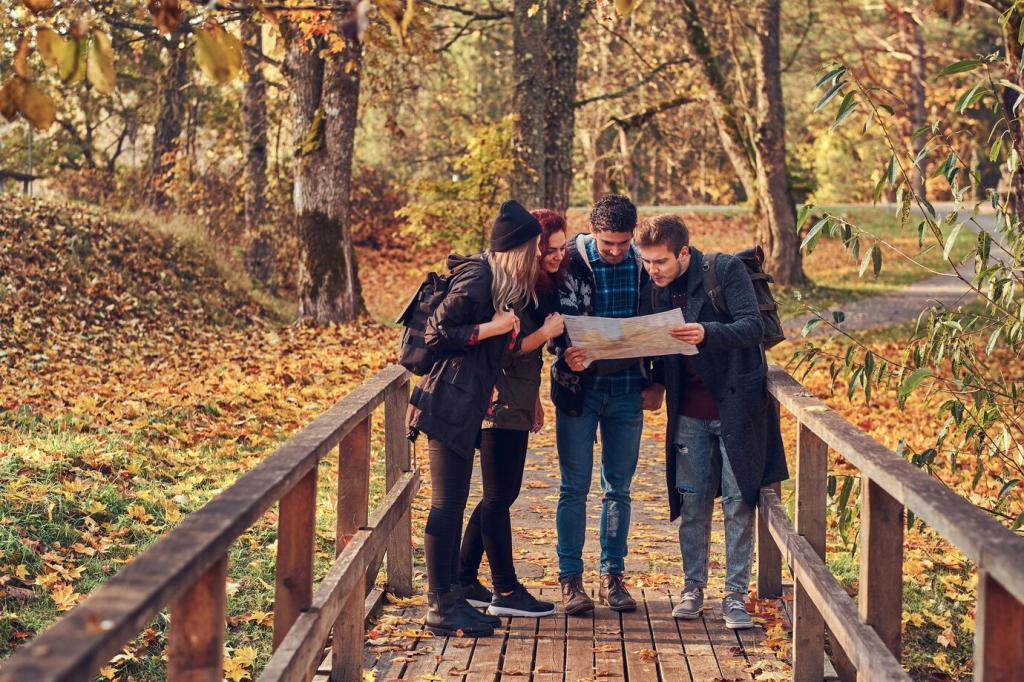
With navigation, pacing, and first-aid covered, you can slow down, breathe, and notice more. Confident leadership lets beginners and seasoned hikers alike embrace tougher mileage without feeling overwhelmed.
Yosemite’s Mist Trail, reimagined with a guide
Climbing beside Vernal Fall, a ranger explains how glacial polish shaped the granite under your boots. You learn why spring runoff roars, where to pause safely, and how rainbows form in the spray.
Zion sunrise along the canyon floor
At dawn, Ranger Maya pauses to scan the cliffs. She whispers about condor recovery and ancestral routes etched in stone. The sun lifts, and the canyon blushes as you step into golden light.
Acadia’s ocean-edge interpretation
A coastal guide times your walk with the tide chart, pointing out periwinkles and storm-carved ledges. You hear lighthouse lore and learn why fog nurtures such vibrant mosses along these wind-polished trails.
Seasonal Sweet Spots on Guided Routes
Guides help you identify lupine, paintbrush, and ephemeral blooms before heat wilts them. They also navigate muddy sections thoughtfully, protecting fragile soils while still reaching dazzling meadows and pollinator hotspots.
Seasonal Sweet Spots on Guided Routes
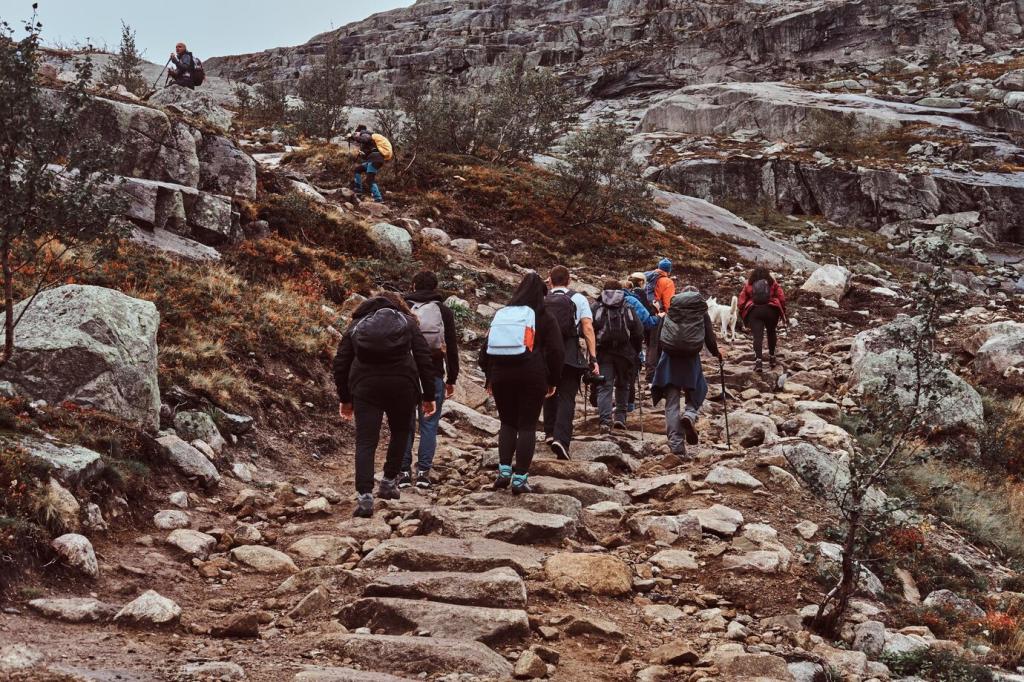
On high-elevation guided trails, leaders track afternoon storm risks and set earlier start times. You’ll learn snowfield safety, spot pikas darting between rocks, and savor cool air where marmots sunbathe on granite.
What to Pack for Top Guided Hiking Routes
Footwear and layers for changing conditions
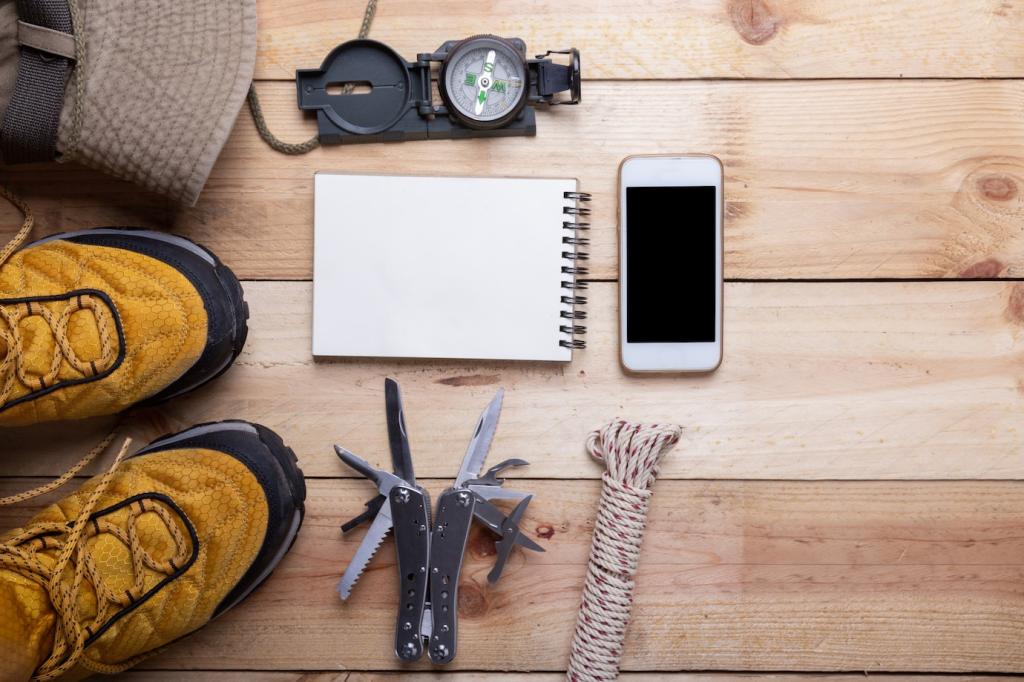
Choose well-broken-in boots with reliable tread, paired with moisture-wicking socks. Add a light insulating layer, windproof shell, and brimmed hat. Guides will advise adjustments based on route elevation and forecast.
Water, snacks, and a steady pace
Pack one to three liters of water depending on distance and temperatures. Choose salty, easily digestible snacks. Your guide paces rest stops, keeping energy stable so the group moves smoothly together.
Photography essentials that stay trail-friendly
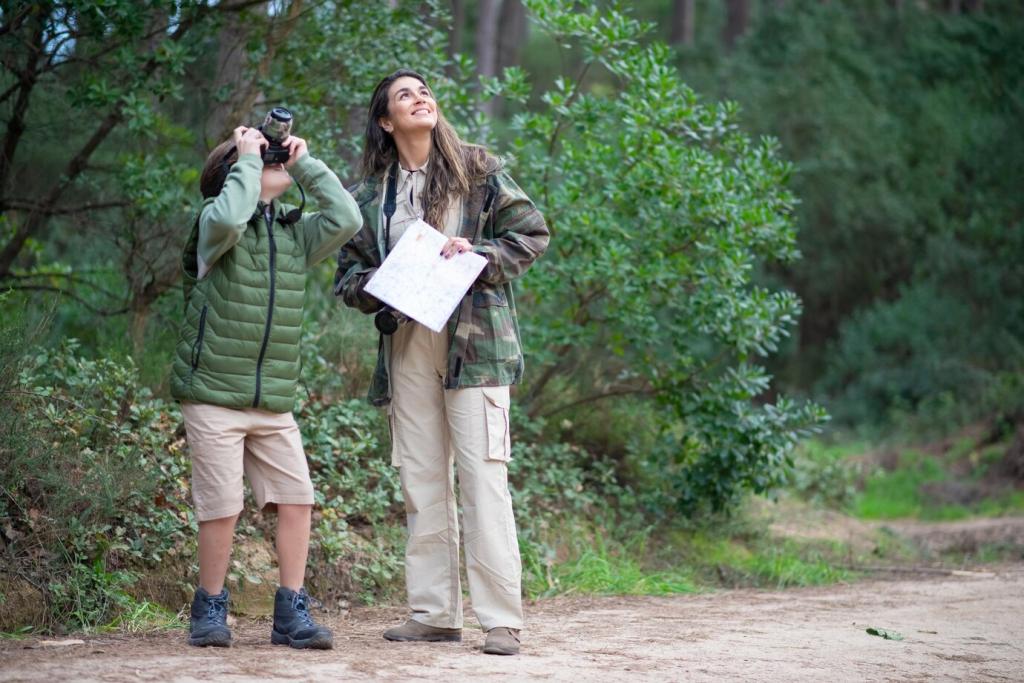
Carry a compact camera or phone with a wrist strap, a microfiber cloth, and a tiny tripod. Ask your guide about sunrise angles, wildlife distance rules, and respectful composition around sacred sites.
Family-Friendly Guided Adventures
Great guides turn rocks into time machines and scat into detective stories. Simple games—counting lichens, mapping animal tracks—keep kids engaged while adults enjoy a relaxing, worry-free ramble through big scenery.
Conservation at the Heart of Guided Hiking
Guides model step-by-step decisions—where to rest, how to pass, and when to turn around. You’ll see how small choices preserve fragile cryptobiotic soils and keep narrow canyon habitats thriving.
Conservation at the Heart of Guided Hiking
From bear spray briefings to binocular etiquette, leaders keep safe distances while maximizing sightings. Learn behaviors that indicate stress, and practice quieter observation so encounters remain magical, ethical, and non-intrusive.
Booking Smart and Preparing Well
Popular ranger-led walks may open months ahead, while concessionaire tours release rolling dates. Set alerts, join waitlists, and call visitor centers for cancellations—then confirm meeting points, start times, and group size limits.