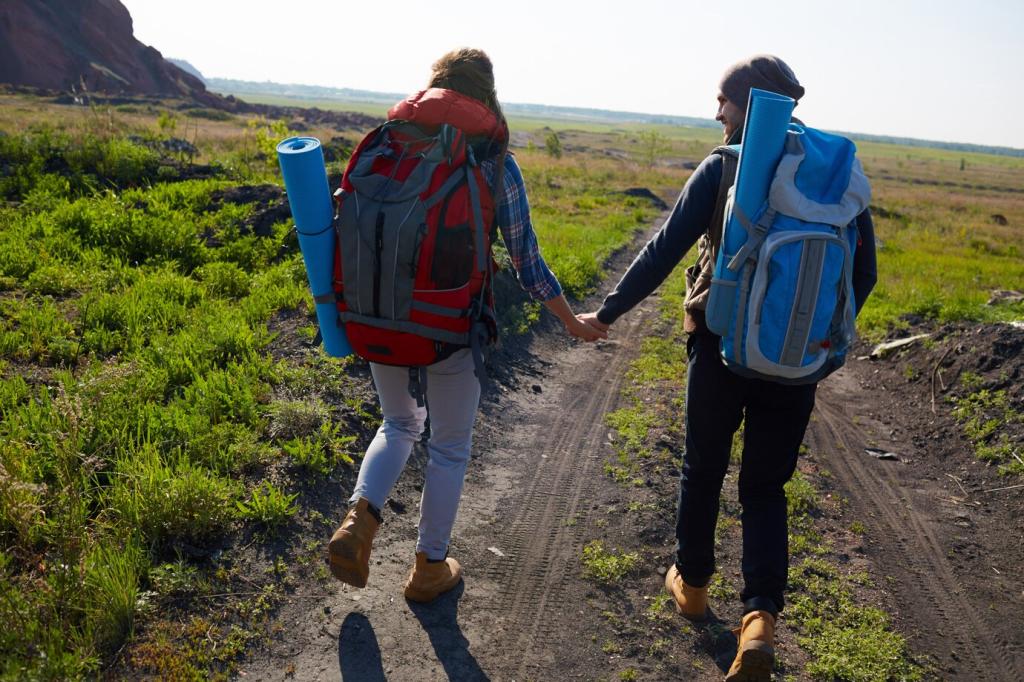
Step into the Light: Photography Tours on Guided Hikes in National Parks

Plan the Perfect Guided Photo Hike

Confirm necessary permits, timed-entry windows, and group size rules before you go. Share your photo priorities with the guide—sunrise, wildlife, waterfalls—so they can pace breaks at scenic points and help you arrive when the light and crowds cooperate.

Plan the Perfect Guided Photo Hike

Study seasonal sun paths to anticipate where dawn paints peaks and where evening glow lingers. Factor in snowmelt waterfalls, autumn color, or desert monsoon skies. Use sunrise calculators and moon phases to plan blue hour, alpenglow, and exquisite backlight opportunities.
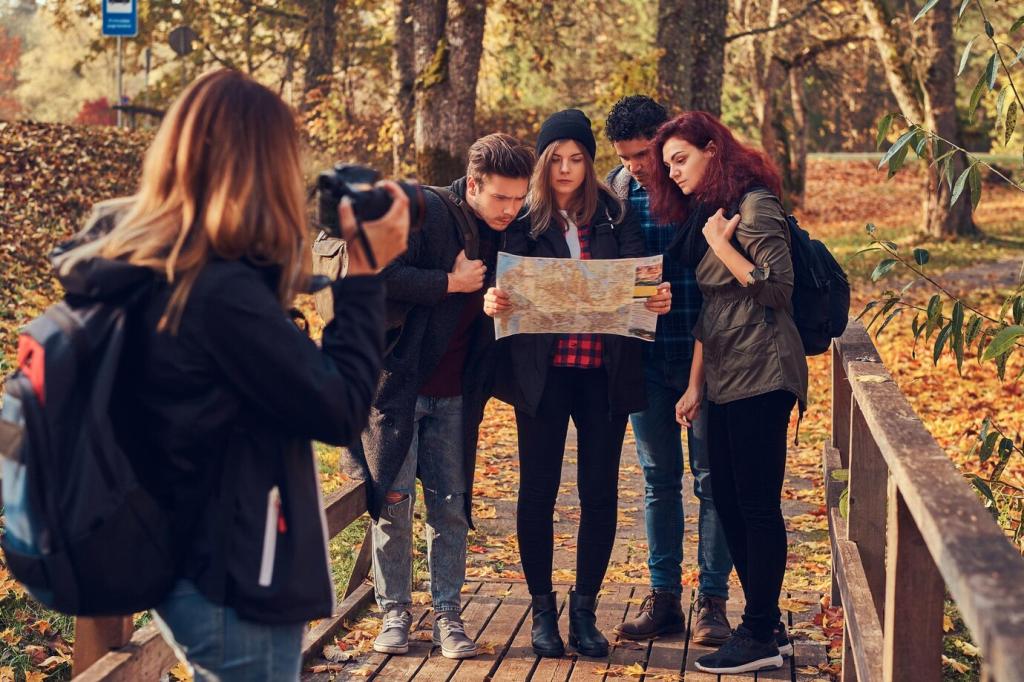
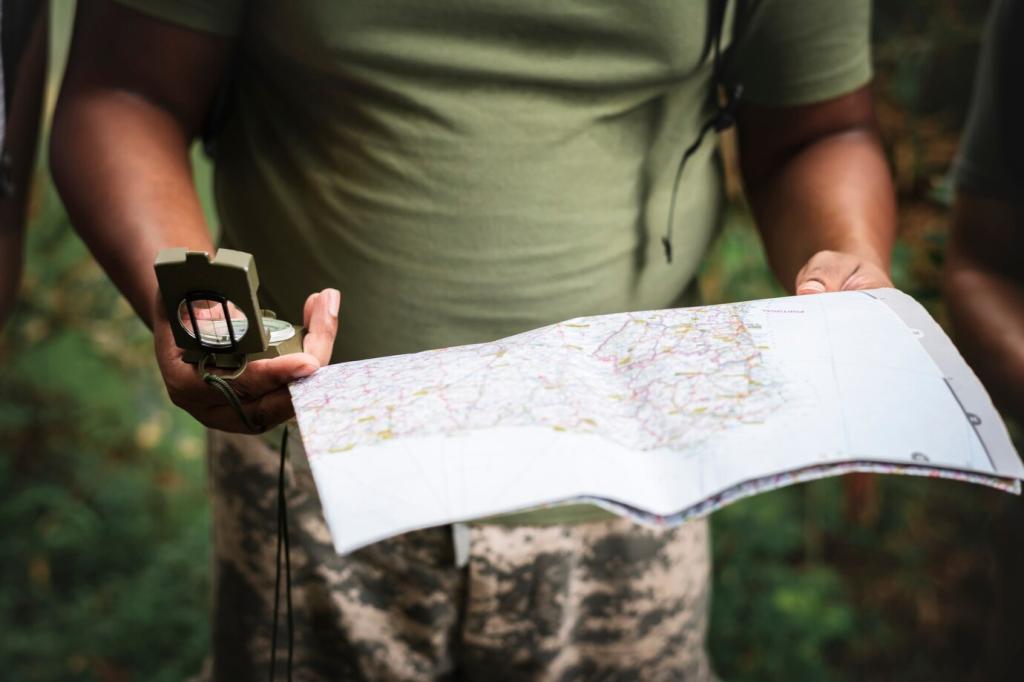
Essential Gear for National Park Photography Tours

Cameras and lenses that earn their place

A weather-sealed body and two lenses cover most trails: a wide zoom for landscapes and a telephoto for wildlife or distant details. Choose fast, reliable gear you truly know, because familiarity beats excess when the sun crests the ridge.

Tripods, filters, and stabilization

Carry a compact carbon-fiber tripod with a quick-release head for dawn stillness and waterfall blur. A circular polarizer tames glare; neutral density filters extend motion. If tripods are restricted, brace on rocks, trekking poles, or railings to steady frames.

Master Light, Composition, and Story on the Trail

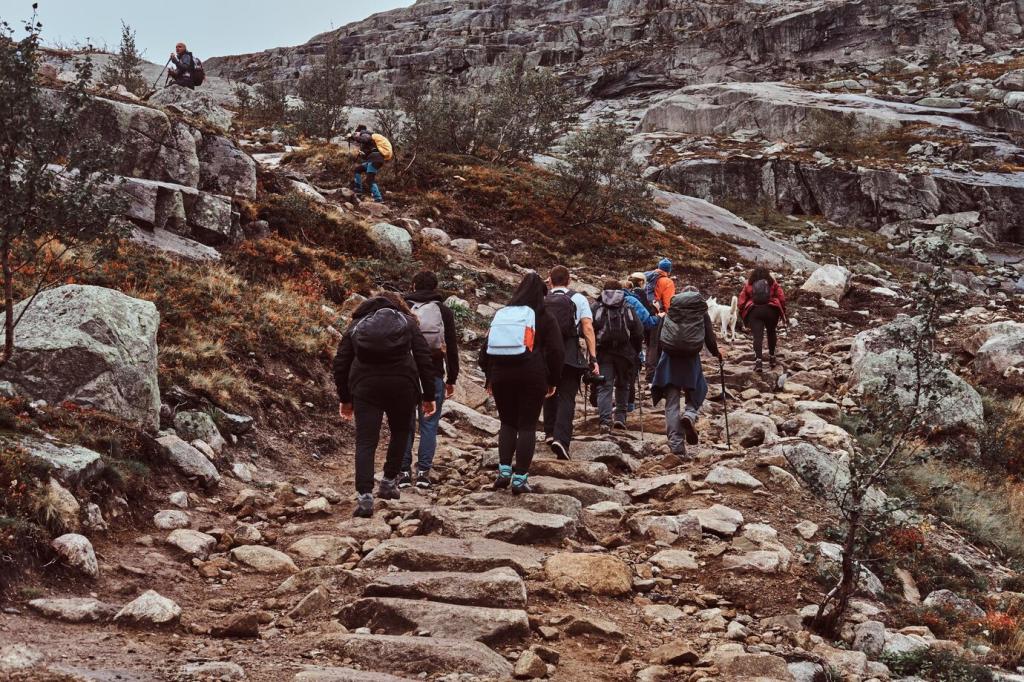
Carve depth into your frame by letting switchbacks, boardwalks, or river bends guide the eye toward your subject. Include hikers for scale, a guide’s bright jacket for contrast, and layered foreground elements that pull viewers into the journey.

Master Light, Composition, and Story on the Trail

Pre-dawn dynamic range can be brutal. Bracket exposures, use gentle graduated filtration, or blend carefully later without overcooking tones. Watch for sun flare angles, and compose to shield bright discs behind ridgelines for cleaner color and preserved mood.

Trail Anecdote: Sunrise Lesson in Yosemite

Our ranger paused by a wind-bent pine as a coyote yipped far below. Frost crackled underfoot, and Half Dome blushed from granite gray to soft rose. We set tripods quietly, listening to ravens ride thermals as the first light kissed stone.

Trail Anecdote: Sunrise Lesson in Yosemite

A quick test at ISO 800, f/8, 1/30 on a 24mm held shadow detail without losing sky color. A two-second timer stopped shake. When the sun’s edge bloomed, a tiny composition shift cleared a branch and the frame finally breathed.

Ethics and Wildlife Respect on Guided Photo Tours

01

Leave No Trace, photographic edition

Stay on durable surfaces, resist trampling cryptobiotic soil, and never rearrange rocks or plants for a shot. Keep gear clear of delicate flora, and pack out every scrap. Your composition should honor the land, not manipulate it into harm.
02

Wildlife distance and lens choices

Follow park guidance: at least 25 yards from most wildlife, 100 yards from bears and wolves. Use telephotos rather than edging closer. No baiting, calls, or blocking escape routes. A respectful distance preserves behavior—and your chances of witnessing it.
03

Cultural sites and community respect

Many parks include Indigenous homelands and sacred places. Photograph thoughtfully, avoid sensitive locations when requested, and seek context from interpretive signs or guides. Ask permission before photographing people, and let your captions carry gratitude, not entitlement.

Join the Community and Shape Future Tours

Get weekly insights on guided hikes, packing lists, and lighting strategies for national parks. We send practical tips, route ideas, and honest gear notes designed to help you arrive prepared and come home with images you love.
Gardamedialine
Privacy Overview

This website uses cookies so that we can provide you with the best user experience possible. Cookie information is stored in your browser and performs functions such as recognising you when you return to our website and helping our team to understand which sections of the website you find most interesting and useful.