Expert-Led Wilderness Hikes in National Parks: Go Farther, Safer, and Deeper
Why Guides Transform Backcountry Days
Safety as a System, Not a Guess
Guides don’t rely on luck. They watch weather windows, set turnaround times, and brief teams on hazards like swift creeks, heat, and afternoon thunderstorms. Wilderness medical training and evacuation plans reduce uncertainty, so your day feels adventurous, not reckless. Curious about risk protocols? Drop your questions and learn with us.
Reading the Land Like a Library
Under an expert, landscapes start talking. Granite domes reveal their glacial past, wildflowers map recent fires, and ravens hint at nearby water. A guide stitches geology, ecology, and human history into a living narrative. Share the best nature fact you’ve ever learned on trail and help others see more deeply.
Planning the Perfect Wilderness Route
Popular backcountry corridors often require permits, quotas, or seasonal reservations. A guide tracks application windows, fire closures, and wildlife-sensitive periods to avoid congestion and protect habitats. Getting the timing right can mean empty ridges and golden light. Which park’s permit system confuses you most? Ask, and we’ll demystify the process.
Planning the Perfect Wilderness Route
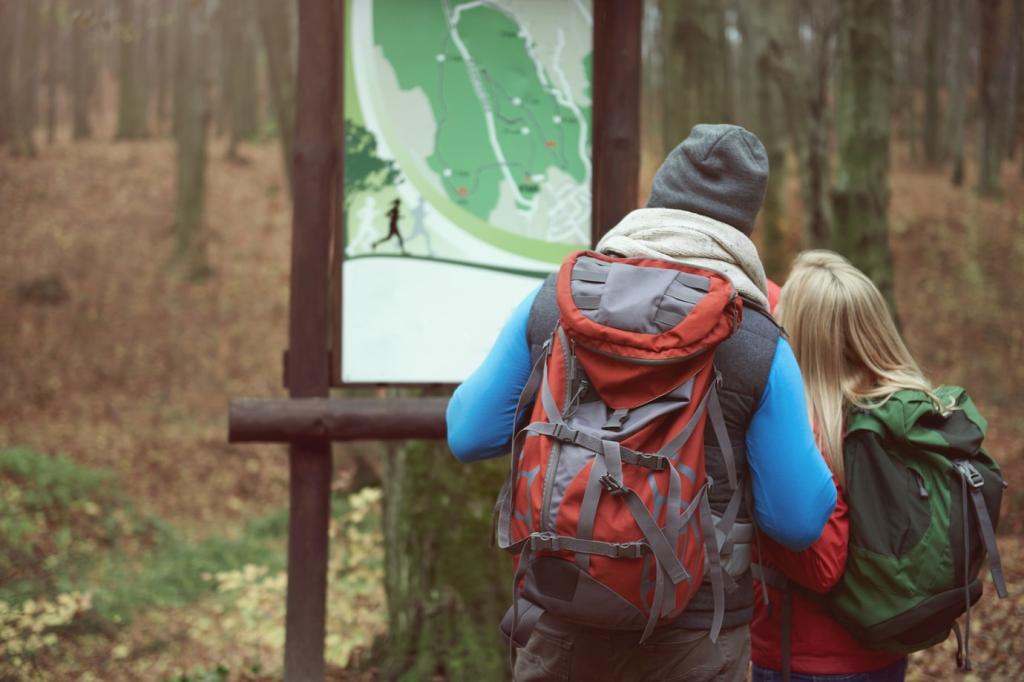
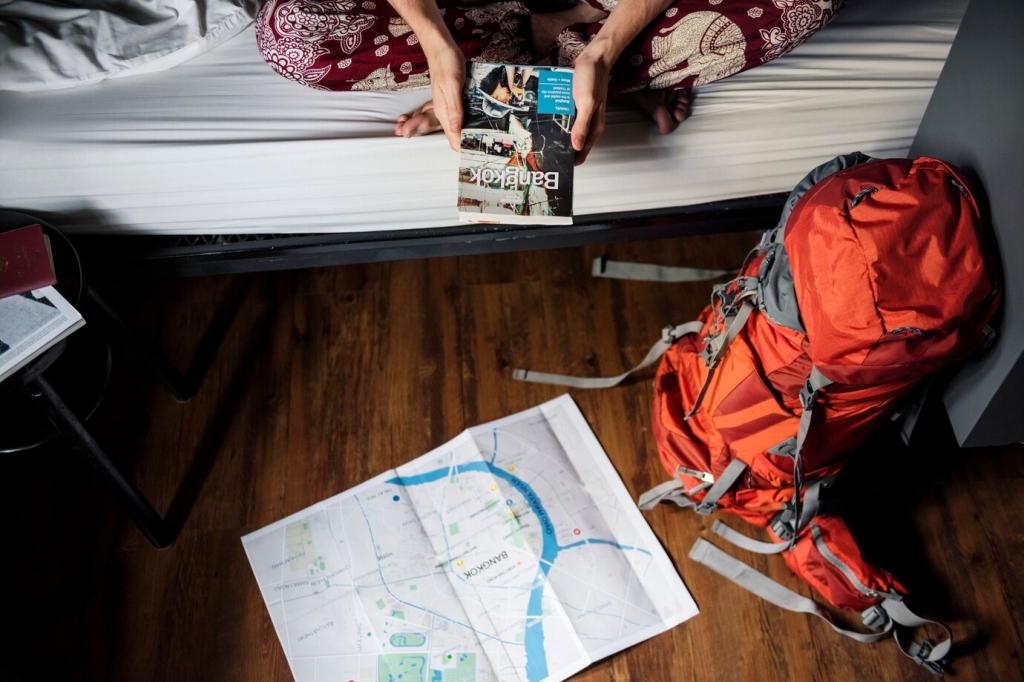
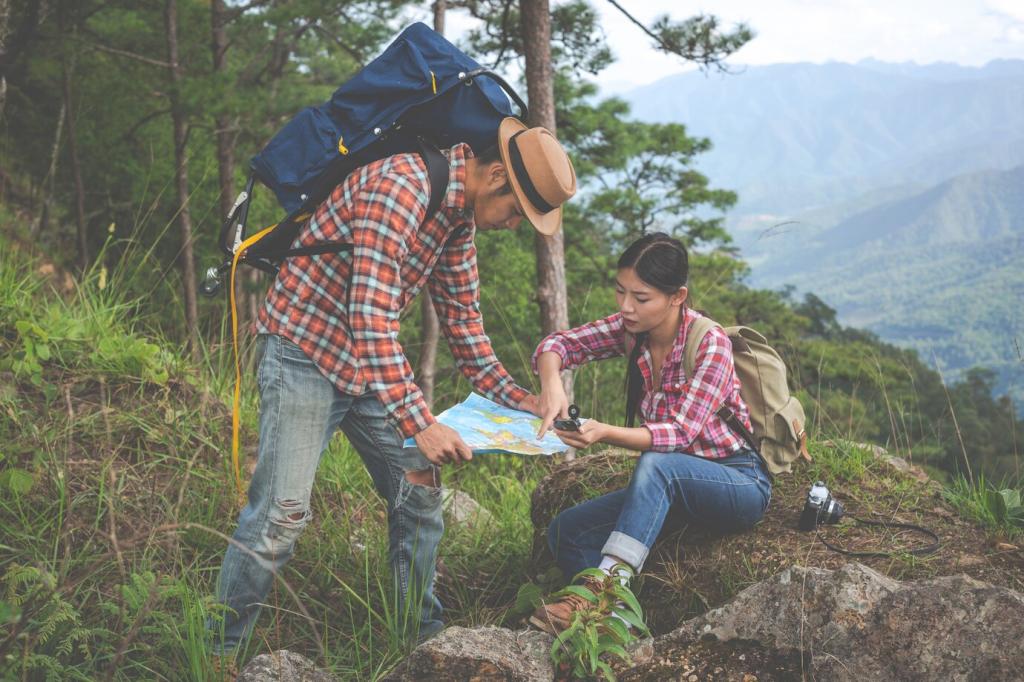
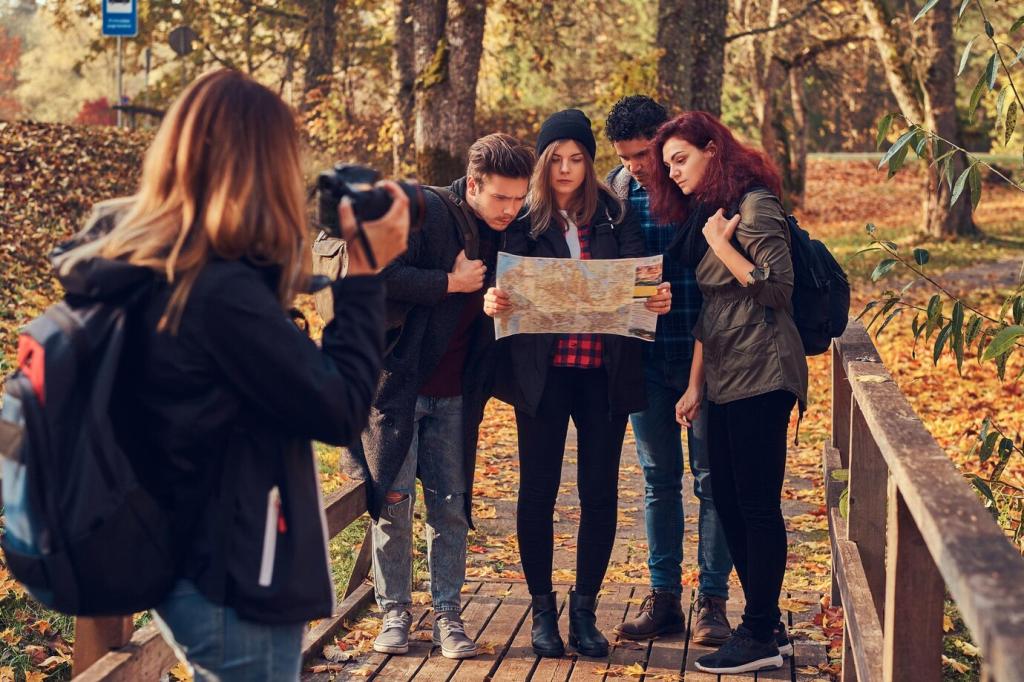
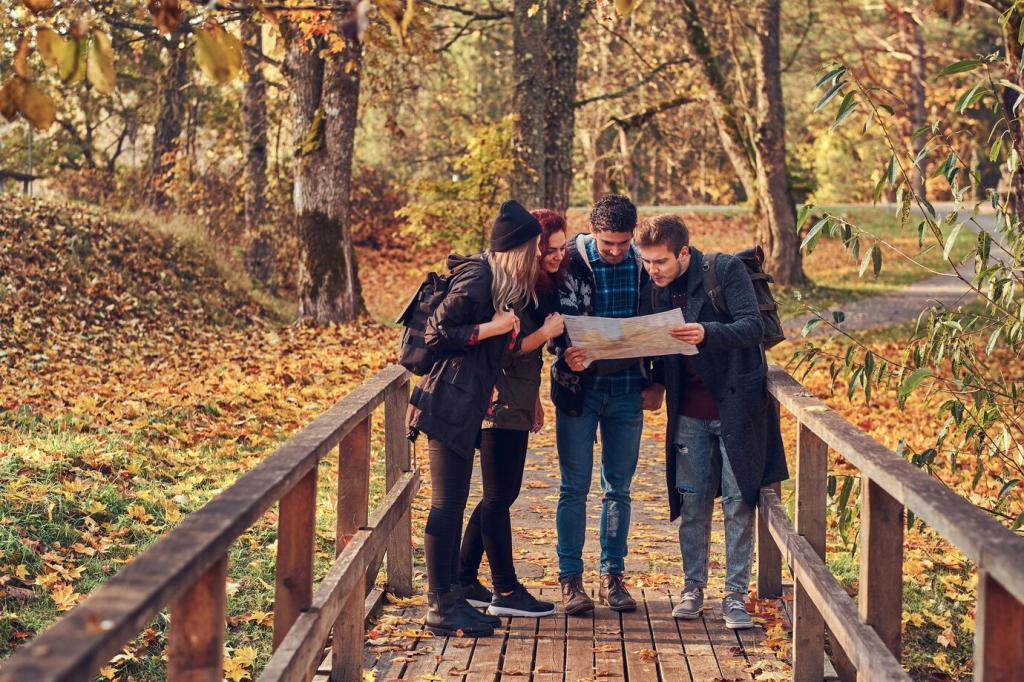
Expert route plans include annotated maps, offline GPS files, and predetermined decision points where conditions must be reevaluated. Leaving an itinerary with a trusted contact adds another safety layer. Want our favorite map settings and wayfinding habits? Subscribe for a prep checklist you can adapt to any park.
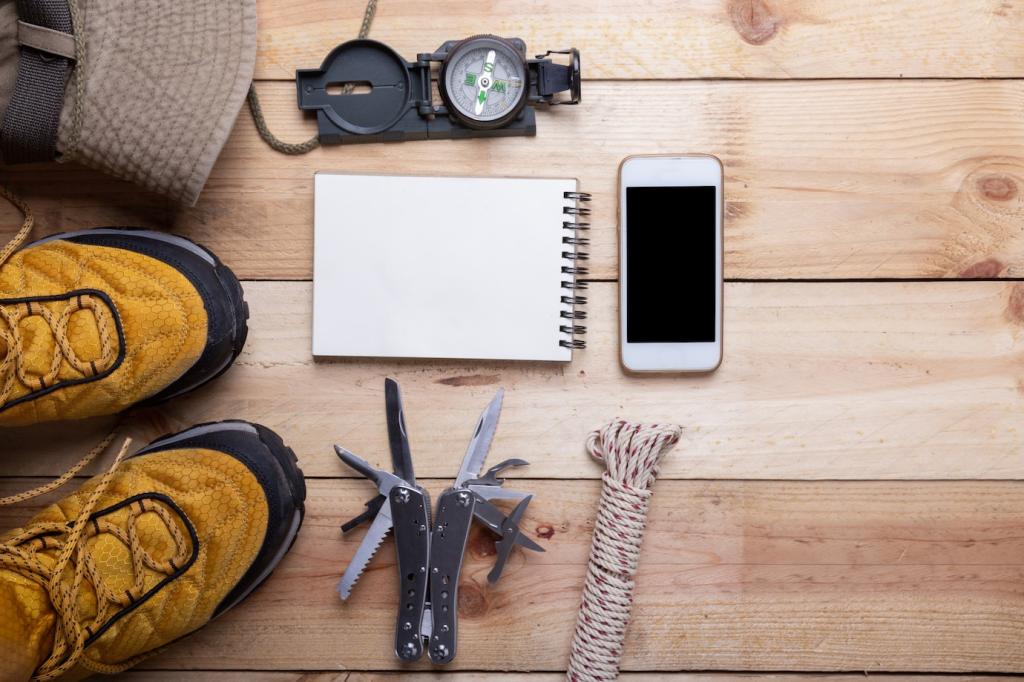
Comfort starts with footwear that fits the mission: supportive boots for uneven talus, nimble trail runners for long, smooth miles. Pair with moisture-wicking socks and a smart layering system—sun shirt, active insulation, and a reliable rain shell. What’s your blister story? Ask about prevention strategies our guides swear by.
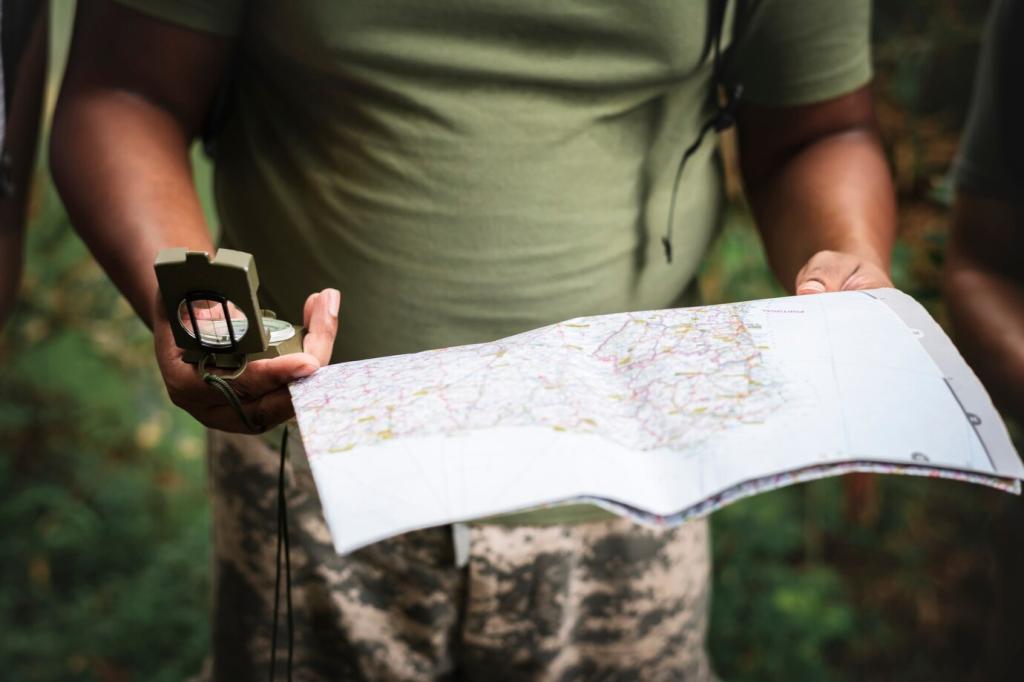
A map and compass never run out of batteries, but guides also carry satellite communicators for contingencies. Add a compact repair kit, headlamp with spare batteries, and a streamlined first-aid kit tailored to the group. Want our minimalist emergency checklist? Subscribe and we’ll send a practical, pack-ready guide.
Guides coach steady fueling: salty snacks, slow and fast carbs, and consistent water with electrolytes. Small, frequent bites curb bonks and keep moods bright. Pack systems that retain heat for shoulder-season lunches. What’s your go-to trail meal? Share it—and we’ll compile our community’s favorite backcountry recipes.
Guides practice bear-aware travel: travel noise in dense brush, secure food in canisters or proper hangs, and carry bear spray where recommended, knowing how and when to deploy it. Maintain safe distances—about 100 yards from bears—so encounters stay brief and uneventful. Unsure about regional rules? Ask and we’ll clarify.
Some of the best moments are still ones: a peregrine slicing wind above a cliff or bighorns stepping across a snowfield. Guides position groups downwind, whisper, and linger respectfully. What did you spot on your last hike? Tell us, and we’ll share a species spotlight next week.
Turning around can be the most expert move. Guides reroute during nesting closures, calving seasons, or after heavy rains that shred fragile soils. That discipline safeguards future experiences. Have you ever chosen to step back for nature’s sake? Tell the story—and inspire someone else to do the same.
A Sunrise Ridge and a Lesson in Pace
Our group reached a windy ridge just as the horizon blushed. The guide slowed everyone to the cadence of the steadiest hiker, reminding us that groups succeed at the speed of trust. What pacing trick helps you conserve energy? Leave your tip for fellow readers.
Storm Wisdom on an Open Pass
Building thunderheads cut our ambitions in half. The guide checked the clock, read the clouds, and cheerfully turned us around. We still earned views and a safe descent. What weather skill do you want to learn? Comment, and we’ll bring a meteorology primer soon.
A Night Sky Lesson on the Walk Out
Under safe headlamp glow, our guide invited a brief lights-out moment. The Milky Way spilled across the canyon, and voices went soft. He named constellations and local lore, then restarted movement. Which sky moment changed your hike? Tell us, and help someone plan a stargazing stop.
Training and Mindset for Big Wilderness Days
Build gradually: brisk walks, stairs, and weekend hikes with an increasing pack load. Add balance drills and mobility to protect ankles and hips. A guide can help calibrate effort so you finish smiling, not limping. What’s your training baseline? Share it, and we’ll offer tailored pointers.